
Haircare
Dandruff Treatment in Dry vs Oily Scalp: Tailored Solutions for Both
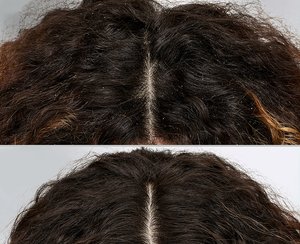
Dandruff is like an uninvited guest who just won't leave, crashing your perfect hair day and leaving an annoying trail of flakes in its wake. If you've ever found yourself subtly dusting off your shoulders, you're far from alone. But before you reach for any anti-dandruff shampoo, it's important to know that not all dandruff dramas are created equal. The battle against dandruff plays out very differently on dry and oily scalp, each with its own set of challenges and solutions. Join us as we dive into scalp science, where knowing your scalp type plays a huge role in determining the right dandruff treatment.
Quick overview of dandruff treatment in different scalp types:
Dandruff in a dry scalp is often a result of a lack of natural oils. A dry scalp becomes dehydrated, leading to tightness and the formation of dry flakes. Dry scalp, cold weather, reduced water intake, or using the wrong haircare products can worsen the condition.
On the contrary, dandruff of the oily scalp is caused mainly by excessive sebum secretion. Overproduction of oil may create a buildup that could support Malassezia, a yeast-like fungus that thrives in oily environments. This results in an environment that fosters the formation of dandruff.
Before learning about the right dandruff treatment for your scalp type, it is crucial to understand how dandruff affects both scalp types.
Dandruff on a dry scalp usually appears in the form of white, small flakes that are loose and easily fall off. Additionally, a dry scalp usually feels itchy and tight, which further contributes to the exacerbation of flakes. Dry dandruff covers the scalp in light flakes that lift off easily.
The symptoms of dandruff on an oily scalp are different from dry dandruff. Oily dandruff is usually not as itchy or flaky. Instead, it is sticky and gooey. It sticks to the scalp and hair, thus not easily dislodged. When you scratch your scalp, these flakes may stick under your nails.
Now that you know how dandruff affects both scalp types, we can move on to learning how to determine which type of dandruff you have.
Identifying the type of dandruff you have is the first step towards curating the right dandruff treatment. It is quite simple to differentiate between the two as their appearance varies greatly. If the flakes are white, light, and easily fall off, or if you experience tightness or itchiness, you likely have dry dandruff. However, when it's yellowish, greasy, and sticks to the scalp, that is a sign of an oily scalp dandruff problem.
Knowing whether you have a dry or oily scalp drives your choice of the best dandruff treatment.
For dry dandruff, you should focus on hydrating and nourishing your scalp. Use a moisturizing shampoo that is designed to hydrate the scalp and soothe it from dryness. Look for ingredients that will help lock in moisture and repair scalp barriers to cleanse your scalp while keeping your scalp hydrated for much longer.
The dandruff treatment for an oily scalp needs thorough cleansing of the buildup and control of the sebum production. Use a dandruff control shampoo that will clean your hair, fight dandruff, and prevent it from coming back. You can look for a shampoo with Piroctone Olamine, as this ingredient is known for its ability to control dandruff and soothe the scalp. You can also look for a mint shampoo, as mint has also proved to be a magic ingredient for oily scalp.
Dandruff can be managed effectively with tailored solutions and appropriate care, whether it is caused due to a dry or oily scalp. Identifying your dandruff type is the first step in selecting the right treatment regimen. By understanding the underlying causes and symptoms, you can address the issue head-on and achieve a healthier scalp and hair.
Explore the range of high-performance shampoos, conditioners, and targeted treatments, and so much more from Redken India- a brand loved by professionals around the globe. Redken is home to a variety of haircare, hair styling and hair coloring solutions along with expert haircare tips that can be your confidant in your hair transformation journey.