
Haircare
How to Apply Hair Masks? Step-by-Step Guide
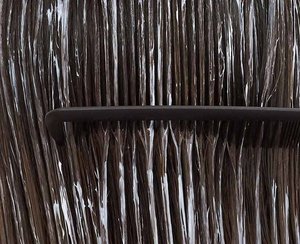
Table of Contents:
Are bad hair days on repeat? It might be time to rethink your routine. From pollution to heat styling and color treatments, your hair goes through a lot, and sometimes, your regular conditioner just doesn’t cut it. That’s where a hair mask steps in.
But here’s the catch: using a hair mask the right way can be the difference between average results and salon-level shine. Not sure how to apply a hair mask, or wondering what a hair mask does exactly? This guide breaks down how to use a hair mask correctly, unlocking the full power of deep conditioning, gloss-boosting, and damage repair in just one weekly ritual.
Quick Overview on How to Apply a Hair Mask:
Before diving into how to apply a hair mask, it is important to understand what it does. Key benefits of using a hair mask include:
A conditioner is also used to moisturize the hair, and if you are confused between the uses of a hair mask vs conditioner, here’s a quick comparison:
| Feature | Hair Mask | Conditioner |
| Depth of Action | Deep treatment | Surface-level conditioning |
| Usage Frequency | Weekly | Every wash |
| Repair Benefits | High | Moderate |
| Time Required | 10–20 minutes | 1–3 minutes |
If your hair is feeling dull, dry, or overworked, a hair mask might just be the remedy your hair needs. But do you really know how to apply a hair mask correctly? Follow this step-by-step breakdown to master applying a hair mask for salon-like results:
There’s no shortage of options out there, but choosing the right one makes all the difference.
Pick based on your concern:
Before applying a hair mask, start by washing your hair with a mild shampoo. Clean hair ensures better absorption.
Prep checklist:
Now comes the most important step in applying a hair mask.
How to apply:
Massage the product gently into your hair and let it sit for about 15 minutes (or as directed).
What happens during this time?
Rinse your hair thoroughly to remove all product residue. Best way to rinse:
Want to get the most out of your masking routine? These tips will help you level up your results when using a hair mask:
Mastering how to use a hair mask is a simple yet powerful way to elevate your hair routine. Whether you're trying to revive dry ends, boost shine, or repair damage, this step can make a visible difference.
The secret lies in:
Now that you know exactly how to apply a hair mask, you can turn every wash day into a mini at-home hair spa.
When it comes to professional haircare, Redken is known for its science-backed approach and high-performance formulas. Redken India offers a wide range of haircare, styling, and color solutions designed to target specific concerns like dryness, damage, frizz, and color protection. With advanced formulations paired with expert-validated haircare tips, Redken helps you achieve healthy-looking, manageable hair with every use.
To apply a hair mask correctly, start with clean, damp hair so the product can absorb better. Section your hair and apply the mask from mid-lengths to ends, avoiding the roots unless your scalp is dry. Leave it on for 10–15 minutes before rinsing thoroughly for best results.
You should ideally use a hair mask once a week as part of your routine. If your hair is very dry or damaged, you can increase usage to twice a week. However, overusing it may weigh your hair down, so adjust frequency based on your hair type.
While some masks are designed for dry application, most work best on damp, freshly washed hair. Clean, damp strands allow better penetration of ingredients, making the treatment more effective. Always check the product instructions for the best method.
A hair mask deeply conditions, nourishes, and repairs your hair beyond what a regular conditioner can do. It helps restore moisture, reduce frizz, improve texture, and add shine. With regular use, it can make your hair softer, smoother, and more manageable.
In most cases, hair masks should be applied to mid-lengths and ends, as these areas need the most repair. However, if you have a dry scalp, you can apply a small amount to the roots. For oily scalps, it’s best to avoid the scalp to prevent buildup.