
Haircare
How to Determine Your Hair Type
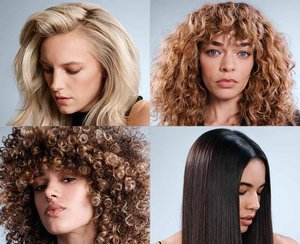
Knowing your hair type is not just a trend. And yes, you must know yours if you want to look after your hair the right way. Whether it's the products you buy or the routines you practise, the entire ball game changes once you determine the hair type you’re dealing with. In fact, it's possible that most of your present concerns may have arisen from simply using the wrong products for your hair type. Here’s a quick guide on how to determine your hair type and change your hair game for good.
Quick overview of how to know your hair type:
Our hair is broadly categorised into straight, wavy, curly, tightly curled, and coily types. While each of these is broken down further, let's focus on getting your overarching hair type right. If you wonder how to know your hair type, certain definable factors, such as your hair’s appearance, its structure, its porosity, and scalp moisture, can be very clear indicators.
Without putting it off further, let’s figure out your hair type and find the proper balance to end your bad hair days. Thankfully, it's not that tough to determine your hair type, and here are four factors that can help you do so:
When talking about the shape of your hair type, we are referring to the bends (or lack thereof) in your hair. Resist reaching for the dryer next time, and let your hair air dry to notice whether it remains straight(straight hair), S-shaped (wavy hair), slightly curled(curly hair), looped(tightly curled hair), or coiled(coily hair).
Try to determine your hair type by looking at the prominent shape it takes. If you see your hair folding, falling, or curling in multiple ways, figure out your hair type by looking at the dominant hair shape. Now, each of these hair types has sub-categories that define your hair the best. However, learning which one of these five you fall into is enough to deliver the right kind of nourishment to your individual hair type.
Many of you may be guilty of blaming your hair treatments that changed your hair appearance for good. This is why we move on to hair structure, another solid way to find out your hair type. Hair structure determines the diameter of your hair, a.k.a the width of your strands. It is as simple as holding a single hair fibre between your fingers. If you feel absolutely nothing, you may have a fine hair type. If you can sense the fibre between your fingers, your hair type is medium. When your fibre feels thick between your fingers, you probably have a coarse hair type.
These structures usually dictate the shape your hair falls into. Fine or medium hair may tend to fall within the straight or wavy hair types. Curly and coily hair types often have a coarse structure. Knowing this will help you better determine which products to gravitate towards. For instance, coarse hair has a lot of texture, is prone to frizz, and often doesn’t retain water as well as other hair types. In order to hydrate those strands and ward off frizz, those with coarse hair should use more moisturising products. In such cases, it’s best to go for hydrating, oil-infused anti-frizz shampoos to cleanse your hair while retaining its smoothness and manageability. Another essential haircare tip is to never skip a conditioner after a wash, and bring in nourishing hair masks once a week to give your lengths the extra dose of nourishment. You can also use anti-frizz leave-in treatments for these types of hair.
Porosity refers to your hair’s ability to absorb moisture or a product. Knowing how porous your hair is can help you determine your hair type. Porosity is a clear view into the kind of chemical treatments your hair type can withstand, along with the products you should be using. Often, your hair’s appearance, width, and porosity go hand-in-hand, making porosity a great indicator to figure out your hair type.
An easy way to determine your hair’s porosity is by placing a single strand of hair into a bowl of water. If the hair sinks to the bottom, your hair has a high porosity as it’s absorbing all the moisture. If your hair floats on top of the water, your hair has low porosity and doesn’t absorb moisture easily. Lastly, if the hair floats somewhere in the middle of the water, it has a normal porosity, meaning that it is well balanced.
If your hair has low porosity, that means the cuticle lies flat, so water often sits on the outside of the hair and doesn’t get absorbed. Those with a low porosity hair type often find that it takes their hair longer to dry and that products tend to build up on their hair rather than getting absorbed. In order to avoid this, evenly distribute products through your hair and apply products to slightly damp hair.
If you have a highly porous hair type, then your strands have gaps or tears in the cuticle that may be a result of chemical hair services, heat styling, or a variety of other damage. This means that when you apply a product, your hair soaks it up quickly, which means you often find yourself needing to apply more. If high porosity has left your hair devoid of moisture, add nourishing shampoos to your regimen. Owing to high porosity, you may also find that your hair dries quickly, yet doesn’t feel hydrated or nourished. Try using sulfate-free, bonding products that revive your lengths and protect their strength and integrity, such as a nourishing, bonding conditioner. For this hair type, you may also try to avoid heat that may further dry out your strands, or opt for heat protectant sprays. Lastly, ensure you look for hydrating hair options, such as hair masks that will give your hair an abundance of moisture.
If you’re still struggling to determine your hair type, simply look at your scalp to know which products you should invest in. Your scalp moisture may indicate your hair type and hair health, allowing you to build a well-curated scalp care regimen. However, scalp moisture can be tricky. If your scalp is often parched and itchy, free from sebum or oils, you may have a dry scalp that requires heavily moisturising products. This hair type is often prone to breakage and weak hair. If your scalp is too oily, it may attract dirt, pollutants, and other impurities, giving rise to buildup and dandruff, among other scalp concerns.
A balanced scalp has the right amount of oil production and often comes from using the right products for your hair type. Try to use a rich scalp cleanser to clarify buildup while maintaining your scalp’s pH balance.
If you always wondered why your hair care didn’t seem to work, there’s a chance you were shooting darts in the dark. Now that you know how to determine your hair type, you can make better and more informed decisions when choosing the right hair care products for your hair type.
At Redken India, you will find haircare products that mention which hair type they cater to. From high-performance shampoos, conditioners, and masks to targeted treatments, Redken offers a comprehensive collection to transform your hair quality. Look for all of your key hair type terms while building your hair care regimen, and you’ll always end up with a product that works for you.
Examine your hair's natural state by its appearance, structure, porosity, and how your scalp retains moisture.
The main types are straight, wavy, curly, tightly curled, and coily, characterised by their shape and texture.
Porosity affects how much moisture your hair can absorb, guiding you in choosing hydrating or lightweight products.
It helps tailor products to balance hydration, preventing dryness or oiliness, which can affect overall hair health.
Using the wrong haircare products may lead to problems like dryness, frizz, buildup, and inadequate moisture retention in your hair.