
Haircare
How to Train Your Hair to Be Less Greasy
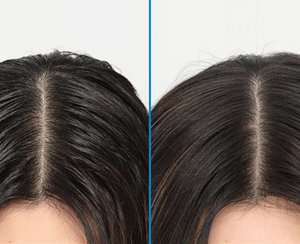
Dealing with greasy hair is frustrating, especially when it starts looking oily just a day or two after washing. If you’re constantly wondering how to prevent greasy hair, the answer may surprise you: washing less, not more, can actually help.
With the right approach, you can train your scalp to rebalance oil production and finally get rid of greasy hair without overwashing. Before diving into tips for preventing greasy hair, let’s understand why it happens in the first place.
Quick Overview on How to Train Your Hair to Be Less Greasy
At its core, greasy hair is linked to an oily scalp. Just like skin types vary, some people naturally produce more sebum. When excess oil builds up at the roots, limp hair becomes noticeable, often by day two or three after washing.
Frequent shampooing might feel like the solution, but it can worsen greasy hair. Stripping away natural oils signals your scalp to produce even more sebum, creating a cycle that makes preventing greasy hair feel impossible. Understanding this cycle is the first step in learning how to prevent greasy hair effectively.
Here's the secret to skipping washes without oily hair: It's all about training your scalp! By incorporating a few steps into your routine, you can teach it to produce less oil and thrive on fewer washes. This will take training along with patience and a dry shampoo.
Step 1: Avoid Overwashing
Resist the urge to shampoo your hair too frequently. Washing every day or every other day can strip away natural oils.
Step 2: Let Your Scalp Adjust
If you’re used to frequent washing, allow your scalp a few days to rebalance. You may experience temporary oiliness, which is normal.
Step 3: Understand the Cause
Overwashing triggers sebaceous glands to produce more oil to compensate for lost moisture, leading to greasier hair.
Step 4: Reduce Wash Frequency
Gradually space out your washes to help control excess oil production and improve scalp health.
Step 5: Use Dry Shampoo Between Washes
Incorporate a dry shampoo to absorb excess oil and refresh your hair without water.
Step 6: Maintain Fresh-Looking Hair
Dry Shampoo. helps extend your hairstyle, keeping your hair looking clean and voluminous even on third or fourth-day hair.
If you’re tired of dealing with oily hair, it’s time to rethink your routine. The secret to how to prevent greasy hair isn’t washing more, it’s training smarter. With patience, the right products, and consistent hair care tips, you can successfully get rid of greasy hair and maintain fresher roots for longer.
Incorporating targeted solutions from Redken into your hair care routine makes the transition easier and more effective. Ready to break the overwashing cycle? Your healthiest, balanced scalp starts now.
Preventing oily hair starts with washing less frequently and avoiding harsh shampoos that strip natural oils. Incorporating dry shampoo between washes and using a gentle, balancing cleanser can help regulate oil production over time.
Training oily hair typically takes a few weeks. As you gradually space out washes, your scalp adjusts and produces less oil, helping you get rid of greasy hair more effectively.
Yes, frequent washing can strip natural moisture, causing your scalp to overcompensate by producing more oil. Reducing wash frequency can help prevent greasy hair in the long run.
Oil-absorbing dry shampoos and deep-cleansing shampoos are effective in managing oily hair. They refresh the scalp, remove buildup, and support balanced oil production.
Absolutely. An oily scalp produces more sebum, leading to oily hair. Understanding your scalp type is key to preventing greasy hair and building a routine that keeps oil under control.