
Haircolor
Ombré? Balayage? Which Popular Hair Coloring Technique Should You Try Next?
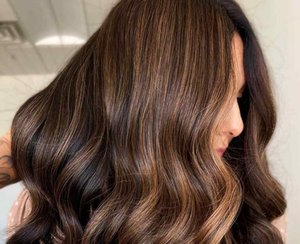
Table of Contents:
Are you tired of your mundane hair routine and craving a fresh look? Revitalising your hair with a fresh color might be the solution you've been hunting for! When it comes to hair color, it is not just the shade that matters. The hair coloring technique that you choose also significantly impacts your overall look. There are many types of hair highlighting techniques to add a pop of color to your hair, from Ombré hair color to Balayage highlights, and much more.
Here’s the truth: choosing the right hair coloring technique isn’t about trends. It’s about understanding how each technique behaves, how it grows out, how it reflects light, and how it complements your texture and lifestyle.
In this blog, we will simplify the decision for you. Depending on your hair goals and types, we will classify different types of hair highlights and suggest the ones that will help you achieve those goals.
Quick overview of how to choose the right hair coloring technique:
If your goal is to look like you’ve just returned from a beach vacation and want your hair to have a subtle hint of tint, balayage highlights might be your answer.
Balayage hair color is a freehand painting technique where color is applied in sweeping motions across the surface of the hair. It enhances what you already have rather than transforming it entirely. As the application isn’t overly structured or saturated from root to tip, the result looks diffused and natural. There are no harsh lines, which means the regrowth phase feels seamless.
This technique works beautifully for someone who:
If you want an unmistakable transformation, you might want to try out ombré hair color. Ombré creates an evident gradient from darker roots to lighter ends. The transition is perfect for you if you want a bold and clear definition. This technique looks the best on medium to long hair, where the fade is seen in its full glory.
Curly hair reflects light differently from straight hair. That’s why placement matters even more. Curlyage is a specialised hair coloring technique for curly or coily hair. Instead of applying randomly, color is placed strategically to follow the curl pattern. This enhances definition rather than disrupting it. If you wear your curls naturally most of the time and want to add brightness without compromising texture, curlyage can be the most flattering option for you.
Pro-tip: Use an ammonia-free color gel oil on textured hair to nourish your hair while adding a pop of color.
If a dramatic hair transformation is not your style, and your goal is to simply look fresher, shinier, and more dimensional, babylights can help you achieve your dream look. Babylights take ultra-fine, delicate sections of hair and lightens it strategically. Because the strands are so thin, the overall effect feels refined and natural, almost like your hair just naturally glows in the sun.
This is a great option if:
Traditional highlights are popular for a reason. They involve taking selected sections of hair and lightening them using foils or painting techniques to create visible dimension and lift.
Compared to babylights, highlights are more defined. They can frame the face, add brightness around the crown, and even create the illusion of sharper features. If you want a noticeable but controlled transformation, traditional highlights can help you strike that balance.
Instead of asking which technique is most popular, ask yourself:
Your answers will naturally guide you toward the right technique. The right technique should fit your routine as much as your aesthetic.
Hair coloring is more than just picking a desired shade. Factors like placement, blending, and technique determine how your hair moves, shines, and grows out over time.
Professional color ranges like Shades EQ from Redken India are designed to deliver refined, dimensional results when used by trained stylists. Redken India offers a range of hair coloring and styling solutions that can help you transform your hair with world-class formulations.
Related Blogs:
Ultimate Guide to Highlights | Post-color Haircare | Brown Hair Color Ideas